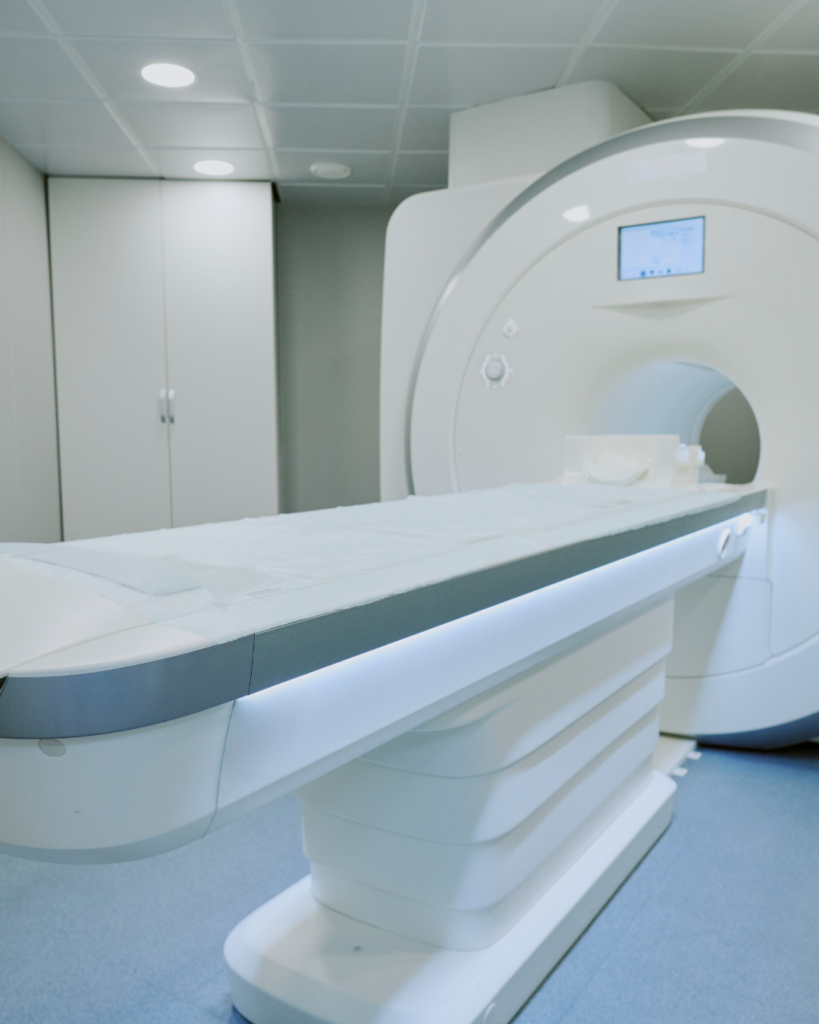
If your MRI came back normal but your back still hurts, you’re not imagining it — and you’re not alone. Research suggests that only a small fraction of chronic back pain cases have a clear structural cause visible on imaging. For the majority of people dealing with persistent pain, the answer lies somewhere else entirely: in the nervous system.
Understanding this isn’t just reassuring. It’s the starting point for actually getting better.
The Puzzling Reality of Pain Without Visible Damage
The Frustration of Normal Test Results
Normal imaging results can feel like a mixed message. On one hand, there’s no serious structural damage — that’s genuinely good news. On the other, when the pain is real and ongoing, being told “everything looks fine” can feel dismissive and isolating.
This is one of the most common experiences for active adults dealing with persistent back or hip pain. You’re training, you’re moving, you’re doing everything right — and it still hurts. The problem isn’t that you’re broken. The problem is that tests can’t image a sensitized nervous system.
When Doctors Say “There’s Nothing Wrong”
Being dismissed by a healthcare provider is frustrating on multiple levels. It’s not just about the pain itself. It’s about feeling like you have to prove something that is clearly affecting your daily life, your training, and your sense of what your body is capable of.
The Emotional Weight of Medical Dismissal
Feeling unheard in a medical setting can lead to anxiety, hypervigilance around movement, and a growing distrust of your own body. Over time, that emotional load compounds the physical problem. Pain that isn’t validated tends to escalate — not because something structural is getting worse, but because the nervous system is getting louder.
The solution isn’t to push through and ignore it. It’s to understand what’s actually driving it.
Understanding Body Safety Signals: Your Nervous System’s Alarm
How Pain Works as a Protective Mechanism
Pain is not a measurement of damage. It’s a measurement of perceived threat. Your nervous system is constantly scanning for danger, and when it decides that a threat is significant enough, it produces pain as a warning signal. That signal is real, it’s physiological, and it has a clear purpose — to get your attention and protect you.
The challenge is that this system can become miscalibrated. It can start firing warnings in situations that don’t actually require them.
The Difference Between Danger and Damage
This is one of the most important distinctions in understanding chronic pain: danger and damage are not the same thing. Tissue damage means something is structurally compromised. Danger is the nervous system’s assessment of threat — and that assessment can be wrong.
Your brain processes dozens of inputs simultaneously: past experiences with pain, current stress levels, sleep quality, emotional state, and sensory information from the body. When enough of those inputs read as “threat,” pain is the output. Even if the tissue itself is perfectly healthy.
Why Your Brain Creates Pain Even When Tissues Are Healthy
For active people, this often shows up after an injury that has long since healed. The body recovered. The nervous system didn’t get the memo. It continues to produce pain in the same region because it learned to associate that area with threat, and that learning can persist well beyond the original injury.
This is not a psychological weakness. It’s a biological process — and it responds to the right kind of retraining.
The Science Behind Pain Persistence
Neural Pathways and Pain Memory
The nervous system learns through repetition. When pain signals travel the same pathways repeatedly, those pathways become more efficient, which means they fire more easily over time. Pain essentially carves a groove, and the body starts defaulting to it.
This is why chronic back pain often feels unpredictable — a movement that was fine yesterday triggers a flare today. The tissue didn’t change. The neural pathway fired.
Central Sensitization Explained
Central sensitization is the clinical term for a nervous system that has become overresponsive. When sensitization sets in, the threshold for pain drops. Normal sensations — sitting, bending, walking — can register as painful not because they’re harmful, but because the system’s volume has been turned up too high.
For runners and active adults, this can show up as pain that seems disproportionate to the effort or movement involved. It’s not weakness and it’s not structural failure. It’s a system in need of recalibration.
How Your Nervous System Becomes Overprotective
A protective nervous system is a healthy one. An overprotective nervous system is one that has learned — often through injury, stress, or trauma — that the world requires more guarding than it actually does. The result is a body that braces, guards, and hurts more than the situation warrants.

This is exactly the kind of pattern that Pilates-based movement addresses — not by forcing the body to perform through pain, but by creating safe, controlled movement experiences that begin to rebuild the nervous system’s confidence in the body.
The Mind-Body Connection in Chronic Back Pain
How Stress Amplifies Pain Signals
Stress and pain share a neurological highway. When the body is under chronic stress, cortisol and adrenaline remain elevated, and pain sensitivity increases. This is why so many people notice that their back pain flares during periods of high workload, poor sleep, or emotional strain — even when their movement habits haven’t changed.
For athletes and active people, this connection is especially worth understanding. Training stress compounds life stress. The nervous system doesn’t categorize them separately.
The Role of Emotions in Physical Sensations
Anxiety, in particular, heightens interoceptive awareness — the brain’s attention to signals from inside the body. When the nervous system is on alert, it notices more, and it interprets more of what it notices as threatening. This isn’t a character flaw. It’s a physiological state that can be shifted with the right tools.
The Neurochemistry of Stress and Pain
Chronic stress depletes the body’s natural pain-buffering systems. Endorphins and other neurochemical regulators that help modulate pain perception become less effective under prolonged stress. This is another reason why recovery from chronic back pain isn’t just about what you do in the gym — how you manage the full load on your nervous system matters just as much.
Common Psychological Factors That Intensify Back Pain
Anxiety and Fear-Avoidance Behaviors
Fear-avoidance is one of the most well-documented drivers of chronic pain. When movement becomes associated with pain, the natural response is to move less. But reduced movement leads to deconditioning, which leads to more sensitivity, which leads to more pain. It’s a cycle that requires a thoughtful, gradual approach to break.
Depression and Its Physical Manifestations
Depression doesn’t just affect mood — it changes pain processing at a neurochemical level. People experiencing depression often report that pain feels more intense and more pervasive. Addressing the mental and emotional dimensions of pain isn’t secondary to physical treatment. For many people, it’s the most important piece.
Trauma’s Impact on the Nervous System
Unresolved trauma — physical or emotional — can keep the nervous system in a chronic state of low-level activation. That activation has a body cost. It shows up as tension patterns, guarding, and a lowered threshold for pain. Working with the nervous system directly, through breath, movement, and regulated exercise, is one of the most effective ways to address this.
Breaking the Pain-Stress Cycle
Recognizing Your Personal Pain Triggers
Before you can interrupt the cycle, you need to understand it. Tracking your pain in the context of your full day — sleep, stress, food, movement, mood — often reveals patterns that aren’t obvious in the moment. This information is genuinely useful for understanding what’s driving your experience and for building a smarter response.
Common triggers include prolonged sitting, high-stress days, poor sleep the night before, and movement after long periods of inactivity.
Techniques to Calm an Overprotective Nervous System
Breath is the fastest access point to nervous system regulation — and it’s also central to Pilates practice. Diaphragmatic breathing, done with attention to lateral ribcage expansion and a complete exhale, activates the parasympathetic system and helps the deep stabilizers of the spine re-engage. This isn’t just relaxation. It’s a functional reset.
Other effective tools include progressive muscle relaxation, body scan techniques, and gentle movement flows that emphasize control over intensity.
Creating Your Pain Management Toolkit
A good toolkit is personalized, practical, and sustainable. It might include breath-based nervous system work, a structured movement practice, sleep hygiene, and emotional support through therapy or community. The goal is not to eliminate all discomfort but to reduce the system’s baseline reactivity so that you can move more freely and train more confidently.
Movement as Medicine: Safe Ways to Recondition Your Body
Overcoming Fear of Movement
Kinesiophobia — fear of movement — is common after a pain experience, and understandable. But the research is clear: movement is one of the most powerful interventions available for chronic back pain relief. The key is choosing movement that builds the nervous system’s confidence rather than threatening it.
This means starting controlled, not intense. It means prioritizing quality of movement over range or load. And it means working within a framework — like Pilates — that systematically develops the stability and body awareness needed to move safely.
Gradual Exposure Techniques
Gradual exposure isn’t about pushing through pain. It’s about expanding the range of movements your nervous system tolerates as safe, one small step at a time. In a Pilates context, this might mean starting with supine core work and breath before progressing to loaded movements or dynamic transitions.
The principle is the same as progressive overload in strength training — except here, you’re training the nervous system, not just the muscle.
Building Confidence in Your Body Again
One of the most significant things movement can do for chronic pain is restore trust. When you complete a movement that used to frighten you — and nothing bad happens — your nervous system updates its threat assessment. Over time, those updates accumulate into a body that feels capable again.
This is one of the reasons Pilates works so well for people coming out of chronic pain. It’s precise, progressive, and built on the premise that your body can do more than you think — with the right foundation underneath it.
Mind-Body Approaches for Chronic Back Pain Relief
Mindfulness and Meditation Practices
Mindfulness practice doesn’t just reduce stress — it changes how the brain processes pain signals. Regular attention training, even in short sessions, has been shown to reduce the emotional reactivity to pain, making it less consuming and easier to move alongside. Body scan techniques, breath awareness, and gentle movement meditation are particularly effective entry points.
Cognitive Behavioral Approaches for Pain
Cognitive approaches help identify and shift the thought patterns that intensify pain — catastrophizing, hypervigilance, and avoidance being the most common. Working with a therapist trained in pain psychology, or even engaging with structured self-guided tools, can make a meaningful difference in pain experience without touching the body directly.
Somatic Awareness and Body Connection
Somatic work focuses on the body’s felt experience rather than its structure. It’s about developing a more accurate, less threat-based relationship with physical sensation. For active people who have become disconnected from or fearful of their bodies, this kind of practice is often a turning point.
Daily Practices to Retrain Your Pain Response
Consistency matters more than intensity here. Five minutes of intentional breath work in the morning, a short movement practice that emphasizes control, a few minutes of body awareness before bed — these small inputs, practiced daily, create compounding neurological change over time.
This is not about adding more to your plate. It’s about being intentional with what you’re already doing.
Working With Healthcare Providers Who Understand Mind-Body Pain
Finding the Right Support Team
The right team understands that chronic pain is multidimensional. Ideally, it includes a movement specialist familiar with pain science, a physical therapist or Pilates instructor with experience in corrective exercise, and a mental health provider if the emotional dimensions are significant.
Questions to Ask Your Doctor
Ask directly: how do you approach chronic pain when imaging is normal? What’s your experience with central sensitization? Are you familiar with pain neuroscience education? The answers will tell you quickly whether this provider can meet you where you are.
When to Seek Specialized Help
If your current care team is focused exclusively on structural findings and isn’t addressing the nervous system dimension of your pain, it’s worth seeking additional support. Pain psychologists, movement specialists trained in pain science, and somatic practitioners all offer something that imaging-focused care cannot.
Reclaiming Your Life Beyond the Pain: Your Path Forward
Chronic back pain with normal imaging is not a mystery — it’s a nervous system that has learned a pattern that no longer serves you. And patterns that are learned can be unlearned.
The path forward is not about finding the one thing that’s broken and fixing it. It’s about systematically building a body that feels safe to move in — through controlled, progressive movement, nervous system regulation, and a healthcare team that understands the full picture.
You’re not managing a broken back. You’re retraining a protective system that went into overdrive. With the right approach, that’s absolutely something you can work through.
If you’re ready to start building that foundation, download the free Back Pain Blueprint — a practical guide to the movement principles that protect your spine and keep you active for the long term. Or watch our free video on core stability and the hip-spine connection: two of the most overlooked pieces of lasting back pain relief.