Are you focusing on building core strength without addressing the foundation that truly matters for a pain-free life?
Many of us jump into intense workouts, only to find that our persistent pain remains. The key lies not just in core strength, but in core stability. This foundational element is crucial for preventing injuries and managing pain effectively.
When we neglect core stability, we risk undermining our progress and perpetuating discomfort. So, what’s the difference between core stability and core strength, and how can we harness this knowledge to achieve relief?
Understanding Back Pain: The Modern Epidemic
Modern lifestyles have led to an epidemic of back pain, making it a significant health issue. Millions of people worldwide suffer from this debilitating condition. It’s not just the elderly or those with physically demanding jobs who are affected; back pain can strike anyone, regardless of age or occupation.
Common Causes of Back Pain
Back pain can result from a variety of factors, including poor posture, weak core muscles, and muscle strain. Sedentary lifestyles, where individuals spend long hours sitting, can lead to weakened back muscles and poor spinal alignment. Sudden injuries or repetitive strain can also cause back pain.
The Role of Core Muscles in Back Health
The core muscles support the spine and maintain good posture. When these muscles are weak or imbalanced, it can lead to strain on the back, resulting in pain. Strengthening the core muscles is essential for maintaining back health and preventing pain.
By focusing on exercises that improve core stability and strength, individuals can significantly reduce their risk of developing back pain. Understanding the causes of back pain and the importance of core muscles in back health is the first step towards managing and preventing this condition. By making informed lifestyle choices and incorporating appropriate exercises, individuals can take control of their back health.
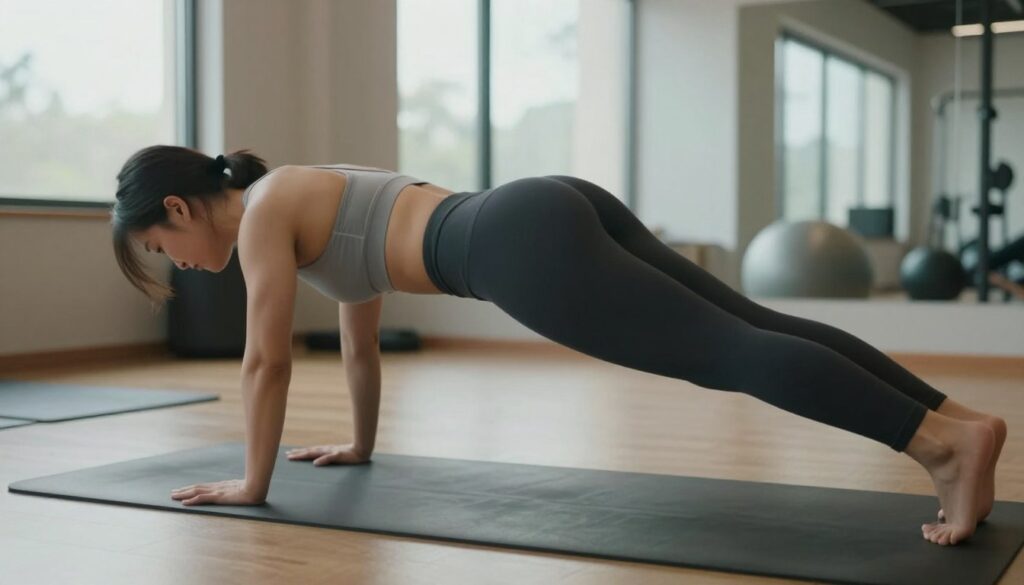
Core Stability Explained: The Foundation of Pain-Free Movement
Core stability is about keeping control over the muscles in your trunk. This is key for pain-free movement. It helps improve back health and physical stability.
What Exactly Is Core Stability?
Core stability means your trunk muscles support your spine and keep you in good posture, even when moving. It’s about controlling your body’s core, including your abdomen, back, and pelvis. This control helps prevent injuries and lowers back pain risks.
Key Muscles Involved in Core Stability
The muscles that help with core stability are the transverse abdominis, multifidus, and pelvic floor muscles. These muscles work together to stabilize the spine and pelvis. The transverse abdominis, for example, wraps around the spine like a corset, offering internal support.
By focusing on core stability, people can greatly improve their back health and lower pain risks. It’s a basic part of pain-free movement that needs attention and practice.
Core Strength Defined: Power vs. Control
Core strength and stability are important for a healthy back. They help prevent and ease back pain. But they do different things for our body.
The Difference Between Strength and Stability
Core strength lets our core muscles move the body with power. It’s about being able to do tasks that need force. Core stability, on the other hand, is about keeping the right posture, even when moving.
Think of a rope to understand the difference. Core strength is like pulling heavy loads. Core stability is like keeping the rope tight, even when not pulling hard. Both are crucial for different reasons.
Why Strong Abs Don’t Always Mean a Healthy Back
Strong abs are often linked to a healthy back. But, strength alone doesn’t mean a pain-free back. Without core stability, strong muscles can cause imbalances.
It’s not just about being strong; it’s about being controlled and stable. A balanced approach is key to a healthy back and preventing pain.
The Core Stability-Strength Continuum: Finding Balance
Understanding the link between core stability and strength is vital. It helps prevent injuries and eases pain. Both are key for a healthy core and body.
Interrelation of Stability and Strength
Core stability and strength are closely tied. Stability gives a base for strength to work well. Enough strength helps keep stability in different situations. This balance is crucial for good posture, avoiding back pain, and better physical performance.
Identifying Imbalance
How do you spot an imbalance? Look for signs like back pain, bad posture, and lower physical activity performance. If you see these, check your core workouts. Make sure they cover both stability and strength.
Knowing the value of balance in core stability and strength helps. It leads to better core health and less injury risk.
The Science Behind Core Function and Pain Relief
The link between core muscles and back health is supported by science. Studies show that core training is key in preventing and treating back pain.
Research on Core Training and Back Pain
Many studies have looked into how core training affects back pain. They found that it can help a lot in back pain relief. Core stability exercises, in particular, strengthen the muscles that support the spine. This reduces pain and boosts mobility.
Understanding how core exercises impact back pain is important. For example, exercises that improve core stability help manage chronic back pain. They ensure the spine is well-supported.
Neurological Aspects of Core Control
The neurological aspects of core control are vital in understanding core training’s effect on back pain. The nervous system is key in coordinating core muscle activity. It makes sure they work together to support the body.
Good core training strengthens muscles and improves neuromuscular control. This makes the body better at using core muscles for posture, movement, and stress absorption. All these are important for back pain relief.
Knowing the science behind core function and pain relief is crucial. It helps people see why core training is important. This knowledge lets them make better health choices.
Pilates for Back Pain: The Perfect Core Training Solution
Core stability and strength are key to easing back pain. Pilates is a great way to improve these areas. It focuses on controlled movements and engages the core muscles. This helps improve posture, reduces back strain, and boosts fitness.
“Pilates is not just an exercise method; it’s a holistic approach to physical fitness that emphasizes body control, precision, and breathing,” says Joseph Pilates, the founder of the Pilates method. This philosophy is great for back pain sufferers. It uses gentle, low-impact movements that fit any fitness level.
The Pilates Philosophy and Back Health
The Pilates philosophy combines body, mind, and spirit for wellness. It focuses on core stability to support the spine and prevent injuries. This is very helpful for back pain, as it uses controlled movements to ease discomfort.
How Pilates Addresses Both Stability and Strength
Pilates is special because it works on both core stability and strength. It uses exercises that engage the core to improve posture and reduce back strain. With a variety of movements, Pilates offers a full workout that can be customized for each person.
“The Pilates method teaches you to be aware of your body and to use your muscles more efficiently.” – Joseph Pilates
Different Types of Back Pain and Pilates Approaches
Pilates can help with various back pain issues, like lower back pain, upper back pain, and sciatica. A qualified Pilates instructor can create a personalized program for you. Whether you aim to ease chronic pain or enhance fitness, Pilates is a gentle yet effective choice.
Essential Pilates Principles for Back Pain Relief
Learning the basics of Pilates is key to using it for back pain relief. It’s a method that strengthens the core, boosts flexibility, and improves posture. These are all important for easing back pain.
Breath and Its Impact on Core Activation
Breathing is a core part of Pilates. The right breathing helps engage the core muscles, which is vital for back pain relief. By linking breath with movement, you can stabilize your core and support your spine.
Deep, controlled breathing also helps lower muscle tension and relaxes the body. This breathing technique is a key part of Pilates and is crucial for activating the core.
Control, Precision, and Centering
Control and precision are essential in Pilates. They ensure movements are done right, reducing injury risk and boosting benefits for back pain. Centering means using core muscles to support the spine and keep posture right.
By focusing on these, you build a stronger, more stable core. This is crucial for lessening back pain. Precision targets the right muscles, and control makes sure exercises are done safely and well.
Flow and Integration of Movement
The flow in Pilates means moving smoothly and continuously. This flow connects the body’s parts, leading to balanced and efficient movement. By linking movement with breath and control, you can get a pain-free back.
In summary, Pilates’ key principles of breath, control, precision, centering, and flow offer a complete way to tackle back pain. By grasping and applying these, you can fully use Pilates to ease back pain and enhance your health.
Foundational Pilates Exercises for Core Stability
Core stability is key for managing back pain. Pilates offers a great way to improve it. It’s not just about strong abs; it’s about a stable base for movement that eases back strain.
We’ll look at basic Pilates exercises to boost core stability. These are great for beginners and can be adjusted for different abilities and pain levels.
Beginner-Friendly Stability Exercises
Beginners should start with simple exercises. Pelvic Tilt and Leg Raises are good for the core without stressing the back. For Pelvic Tilt, lie on your back with knees bent and feet on the floor. Tilt your pelvis up and back down, repeating.
Leg Raises involve lying on your back with arms up. Lift your legs straight up, then lower them back down without touching the floor. This engages your core.
Progression and Adaptation for Pain Sufferers
As you get better, increase the challenge of these exercises. Progressing your Pilates practice means making the exercises harder by changing angles, depths, or speeds.
Modifications for Acute Pain
If you have sharp back pain, adjust these exercises to avoid making it worse. For Leg Raises, start with small lifts or use bent knees to ease the strain on your lower back.
Advancing When Pain Subsides
When your back pain goes away, you can make these exercises harder. For Pelvic Tilt, try lifting your legs or adding arm movements. This keeps your core strong and supports your back health.
Adding these Pilates exercises to your routine can greatly improve your core stability and lessen back pain. The important thing is to progress slowly and listen to your body to avoid too much strain.
Building Core Strength Through Pilates
Pilates is great for strengthening your core. This helps improve your posture and can reduce back pain. As you get better, you can try harder exercises that focus more on your core.
Intermediate Pilates Exercises for Strength
Intermediate Pilates exercises are tougher and help strengthen your core. The Teaser works your abs, Side Bends target your obliques, and Swimming works your whole core. These exercises also boost flexibility and coordination.
When doing these exercises, focus on precision and control. Make sure you’re using the right muscles and keeping the right form.
Safe Progression Strategies
It’s important to progress safely in Pilates to avoid injuries. Listen to your body and don’t push too hard. Find a balance between challenging yourself and respecting your limits.
When to Challenge Yourself
Challenge yourself when an exercise feels too easy. This means your body is ready for more. But, increase the challenge slowly so your muscles can adjust.
Signs You’re Ready for More Intensity
Signs you’re ready for more include feeling exercises are too simple and your core is strong. When you see these signs, it’s time to try harder Pilates exercises or make your routine more challenging.
By following these tips and listening to your body, you can safely strengthen your core with Pilates. This will improve your physical stability and help prevent back pain.
Creating Your Personalized Pilates Practice for Long-Term Pain Relief
Creating a personalized Pilates practice is crucial for lasting pain relief. It lets you tailor your workouts to your unique needs and goals. This way, you can better manage back pain and boost your overall health.
A customized Pilates routine helps you focus on specific areas needing improvement. Whether it’s strengthening your core, improving flexibility, or enhancing stability, it targets the root of your back pain. This targeted approach helps you make significant progress.
To start, identify your goals and any limitations you face. Then, work with a skilled Pilates instructor to craft a routine just for you. Stick to it regularly, and you’ll soon see the lasting benefits of Pilates for back pain management.
Adding Pilates to your daily routine can lead to sustained pain relief and better health. A well-designed Pilates practice is a powerful tool. It helps manage back pain and improves your life quality.
Notes on the 3 citation placeholders:
- Feedforward core activation — look for a biomechanics or motor control study on anticipatory postural adjustments (APAs) of the transverse abdominis; Hodges & Richardson (1996/1997) in Spine is the landmark reference here.
- Motor control vs. general exercise for LBP — look for Maher et al. or Ferreira et al. RCTs comparing motor control exercises to general conditioning for chronic LBP.
- Progressive loading for LBP rehab — look for a systematic review or RCT on dosage and progression in core stability rehabilitation; the APTA Clinical Practice Guidelines for Low Back Pain are a reliable anchor.