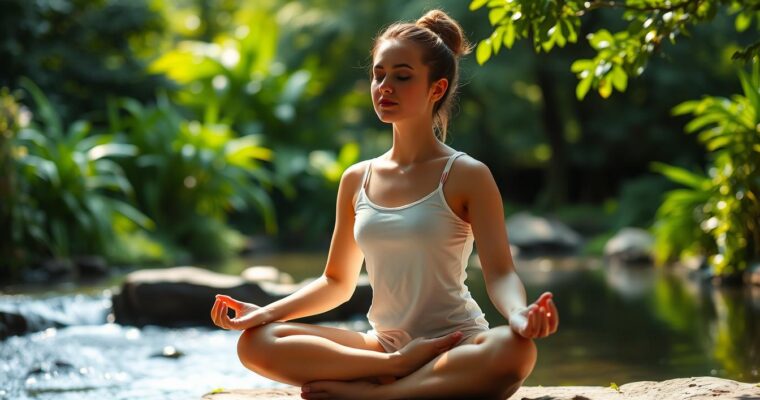
You crushed your morning meeting, meal-prepped through lunch, and by 3 PM you’re elbow-deep in a bag of chips wondering why willpower isn’t working. Spoiler: it’s not about willpower—it’s about your nervous system. In a world where high-achieving women are constantly “on,” your body doesn’t need more pressure — it needs regulation.
This is where breath-first Pilates and somatic-informed movement become more than exercise — they become nervous system therapy. We focus on slowing the breath, strengthening the body, and signaling safety to your brain, so you can release stress instead of recycling it.
Why This Style of Pilates Works for Stress, Hormones & Emotional Eating
Unlike high-stress workouts that spike cortisol, this approach stabilizes your mood, digestion, energy, and cravings — making it a powerful tool if you struggle with stress eating or burnout.
What’s Really Happening Inside the Body
-
Deep diaphragmatic breathing activates the parasympathetic system (your “rest and reset” state)
-
Slow, intentional muscle activation pulls you out of fight-or-flight thinking loops
-
Gentle spinal + rib cage mobility relieves shoulder, neck, and lower back tension caused by stress bracing
-
Hormones regulate naturally — fewer cortisol spikes = steadier energy, steadier appetite, better sleep
This is not fitness for fatigue — it’s movement for nervous system restoration + long-term resilience.
Pilates stress relief you can practice today: a simple step-by-step routine
Start your mini routine with a few calm, measured breaths to anchor attention and steady the body. This sequence takes under five minutes and needs no equipment.
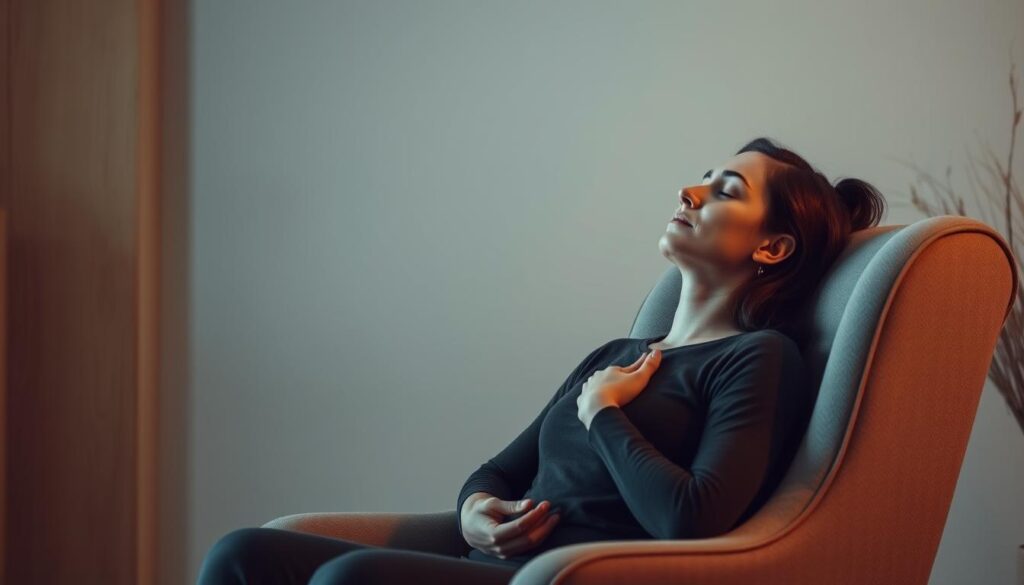
5-Minute Nervous System Reset (No Equipment, Do It Anywhere)
Step 1 — Centering Breath (60–90 sec)
4-count inhale, 6-count exhale into the belly. Feel the ribs expand and soften.
Step 2 — Shoulder Rolls + Simple Spinal Twist (1–2 min)
Slow circles. Match breath to movement. Release accumulated upper-body stress.
Step 3 — Cat–Cow on Hands & Knees (60 sec)
Inhale lift heart, exhale round spine. Soothes nervous system by syncing movement + breath.
Step 4 — Standing Roll Down → Seated Forward Fold (1–2 min)
Articulate spine slowly. Hold for two deep breaths. Reset before your next transition in the day.
Optional micro-progression: add gentle core engagement on each exhale.
Make it work in real life: benefits, timing, and ways to stay consistent
With just 10–20 minutes, three times per week, you can begin to retrain your stress response and experience noticeable shifts within weeks — including better sleep and calmer evenings, clearer focus and mental sharpness during work, reduced emotional eating and adrenaline-driven cravings, less neck and lower back tightness from stress bracing, and steadier, more sustained energy throughout the day without the typical spikes and crashes.
Hormones and health: balancing cortisol, adrenaline, and sex hormones through exercise
Regular, gentle practice helps regulate stress hormones like cortisol and adrenaline without overtaxing the system. Over time, balanced hormones support heart health, bone strength, and overall health.
For women, training may link to lower circulating sex hormones. For men, consistent sessions can support testosterone and bone density. These are part of the broad benefits that make it easier to manage anxiety and reduce symptoms anxiety in daily life.
Practical tips: pair a mini session with a daily habit, block it on your calendar, or mix guided classes with short at-home moves to stay consistent and reap the benefits.
Your next calm step: build a realistic Pilates routine for stress reduction
If you’re ready to end stress-based fatigue and emotional eating from the root, start with small nervous system resets — not extreme plans.
Nervous System Tracker — a simple step-by-step tool to help you regulate daily (even with a full schedule)
or
Join my private community for — get mini Pilates resets, breathwork, and nutrition strategy to support long-term hormonal balance
Choose your starting point: Download the free checklist →tracker | Join the community → community