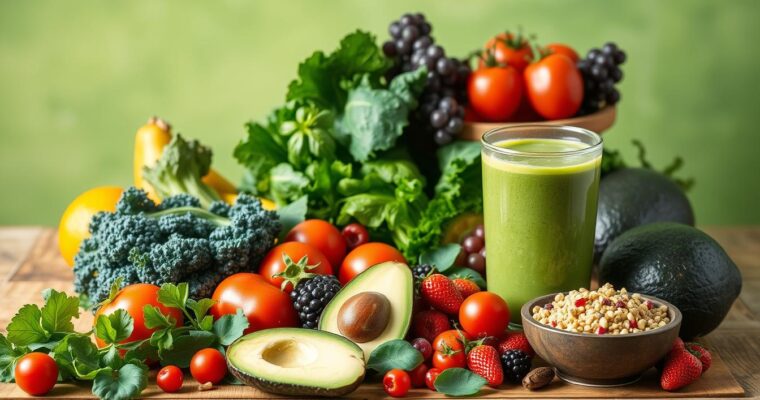
Chronic back pain, slow recovery, and nagging hip tightness aren’t always a movement problem. Sometimes the body is fighting a war it didn’t start in the gym — and what you eat is either fueling it or putting it out.
Most people who come to Pilates or structured movement work are already doing a lot right. They’re consistent. They’re coachable. They’re putting in the effort. But there’s a version of “eating healthy” that looks fine on the surface and still quietly drives the kind of systemic inflammation that keeps pain cycling, slows tissue repair, and chips away at the body’s ability to adapt.
This isn’t about a specific diet or a rigid protocol. It’s about understanding how what you eat interacts with how your body manages pain, stress, and long-term performance — and why for active people dealing with back or hip pain, that interaction matters more than most realize.
Inflammation isn’t just what happens when you get injured
Acute inflammation is useful. It’s the body’s repair signal. But chronic, low-grade inflammation — the kind that doesn’t show up as swelling or obvious injury — is a different animal. It operates in the background, altering how the nervous system processes pain signals, how muscles recover between sessions, and how efficiently connective tissue rebuilds after load.
For someone managing recurring back pain, SI joint issues, or hip pain that keeps returning despite good movement work, chronic inflammation is often part of the picture. And it doesn’t come only from training. It comes from stress, poor sleep, and significantly — from diet.
A nervous system that’s operating in a constant low-grade threat state doesn’t just feel stressed. It amplifies pain. It braces. It substitutes global tension for local control — which is exactly the opposite of what Pilates-based stability training is trying to build.
The metabolic connection most active people miss
Here’s where it gets concrete. Systemic inflammation and metabolic dysfunction are deeply linked. Research published in the American Journal of Lifestyle Medicine followed 59 people with type 2 diabetes through a whole-food, plant-based dietary intervention. Thirty-seven percent achieved full remission. Those who didn’t still showed significant reductions in blood sugar and reduced need for medication.
You don’t need to have diabetes for this to be relevant. Type 2 diabetes and chronic musculoskeletal pain share root mechanisms: high systemic inflammation, impaired insulin sensitivity, and compromised tissue healing. The same dietary patterns that drive one condition quietly feed the other. And the same shifts that reverse metabolic disease — more whole plants, less processed food, less saturated fat — are the ones that reduce inflammatory load for anyone’s body.
What you eat affects how well your body can move
Insulin sensitivity isn’t just a diabetes metric. It determines how efficiently your muscles take up glucose during and after training. Poor insulin sensitivity — which a diet high in refined carbohydrates, saturated fat, and processed food drives — means slower recovery, more residual fatigue, and muscles that don’t respond as cleanly to the neuromuscular demands of precision movement work.
For runners especially, this is directly relevant. Long runs are inherently inflammatory events. Your body is asking a lot of itself — and how well it recovers depends significantly on the anti-inflammatory capacity of your diet. If baseline inflammatory load is already high from what you’re eating, training adds to that load rather than being something the body can absorb and adapt to.
Whole grains and fiber: not just gut health
Whole grains and dietary fiber improve insulin sensitivity and slow the blood sugar spikes that follow carbohydrate-heavy meals. They also feed the gut microbiome — which directly influences systemic inflammatory markers. A gut microbiome fed on diverse whole plant foods produces short-chain fatty acids that act as anti-inflammatory signals throughout the body, including in muscle and connective tissue.
For someone doing Pilates or structured strength work, that downstream effect matters. A less reactive gut means a less reactive nervous system. A less reactive nervous system can actually access the deep stabilizers — the transverse abdominis, the hip rotators, the multifidus — rather than defaulting to global bracing patterns that are the body’s fallback under threat.
What saturated fat and processed meat actually do
Research consistently links high intake of red and processed meat — and saturated fat more broadly — to elevated inflammatory markers, impaired insulin signaling, and compromised pancreatic function. These aren’t abstract risks. For an active person dealing with chronic pain, they translate to slower tissue healing, more reactive pain responses, and reduced capacity to recover between training sessions.
The saturated fat piece is particularly relevant because it impairs the beta-cells responsible for insulin production — not just in people with diabetes, but as a mechanism in anyone eating a diet chronically high in animal fats. The result is a body that’s working harder metabolically to do things that should be automatic.
Eating plant-based and eating well are not automatically the same thing. Highly processed plant-based products — packaged foods with long ingredient lists, added sugar, and refined grains — can drive the same inflammatory patterns as a poor omnivore diet. The research consistently points to whole food sources: legumes, vegetables, whole grains, nuts, seeds, fruit.
The stability and rotation connection
The core lens here isn’t about swapping one diet for another. It’s about what the body needs to actually do the work of building stability, restoring rotation, and integrating the hip-spine connection in a way that lasts.
Pilates-based stability training demands a nervous system that can regulate — not brace. Rotational control, which is one of the most undertrained and most important movement capacities for back pain and injury prevention, requires precise neuromuscular coordination. The transverse plane is where most people fall apart, and where chronic tension or poor tissue quality makes the breakdown worse.
When baseline inflammation is high — whether from food, stress, or inadequate recovery — the body loses access to that precision. It compensates. It shortens. It substitutes the lumbar spine for hip rotation and calls it mobility. And then people wonder why their back keeps going out despite consistent training.
Nutritional support doesn’t replace the movement work. It creates the tissue environment in which the movement work can actually stick. Structure and recovery work together — one without the other leaves a gap that shows up eventually.
Legumes, plant proteins, and tissue resilience
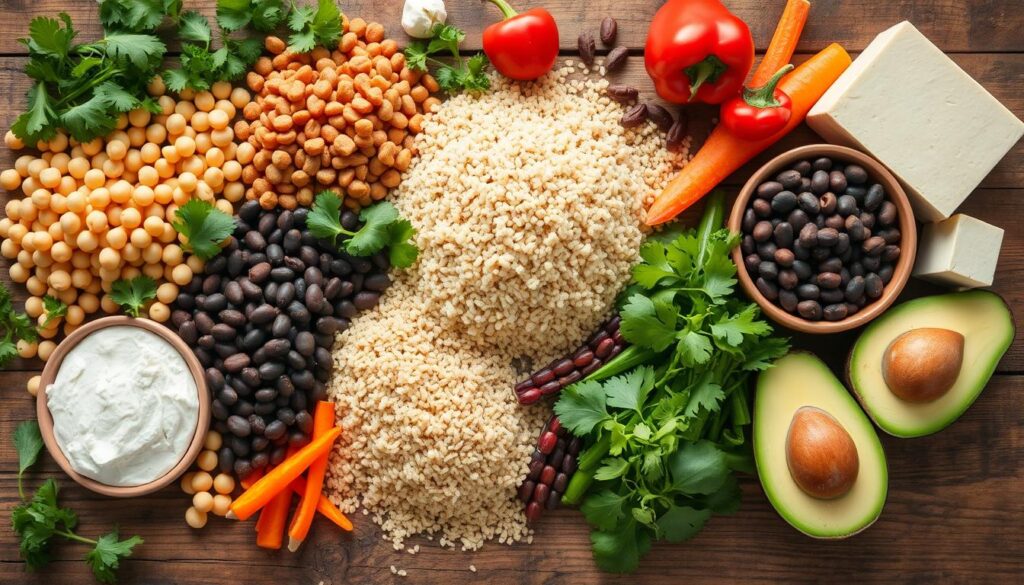
Legumes — beans, lentils, chickpeas — are among the most consistently underused performance foods for active people. They provide fiber, complex carbohydrates, and plant protein together, which supports steady blood sugar, reduces post-meal inflammation, and supplies the amino acids needed for muscle and connective tissue repair. Resistant starch in legumes feeds beneficial gut bacteria specifically associated with reduced inflammatory markers.
For runners or anyone training at meaningful volume, building meals around legumes as a primary protein and carbohydrate source — rather than as an afterthought — is one of the highest-leverage dietary shifts available.
Fats: type over quantity
Shifting fat sources toward nuts, seeds, avocado, and olive oil supports cell membrane integrity, improves insulin signaling, and reduces circulating inflammatory markers. This is not about eating less fat. It’s about eating fat that the body can actually use for repair and regulation rather than fat that compounds the inflammatory burden it’s already managing.
Recovery, weight, and the long game
Whole plant foods are low in caloric density but high in volume and fiber — which means they support body composition without the need for rigid calorie restriction. For people managing chronic pain, body weight matters: excess load on the lumbar spine and hips accelerates the breakdown patterns that cause pain. A dietary approach that supports healthy body composition without creating a stressed, deprived relationship with food is one of the more underappreciated tools in long-term pain management.
The research on plant-based dietary patterns and weight management is consistent: people eating a higher proportion of whole plant foods tend to have lower body weight, better metabolic markers, and reduced rates of the chronic conditions that compound musculoskeletal pain over time.
Stress, sleep, and the system as a whole
Chronic stress and poor sleep raise inflammatory markers just as a poor diet does. They also lower pain thresholds and disrupt the neuromuscular recovery that training depends on. For someone already managing back pain, this creates a loop: pain disrupts sleep, disrupted sleep raises cortisol, elevated cortisol keeps the nervous system reactive, and a reactive nervous system amplifies pain.
Dietary patterns that support blood sugar stability — particularly a diet high in whole plant foods and low in processed food — help regulate cortisol and support sleep architecture. This is the part that often gets left out of the pain conversation. The body manages pain as a full system, not as a local joint problem.
Where to actually start
This is not a call to overhaul everything at once. Practical, consistent shifts in direction are what create lasting change. For active people looking to reduce inflammatory load and support better movement outcomes:
- Build most meals around whole plant foods — vegetables, legumes, whole grains — rather than around an animal protein anchor
- Reduce ultra-processed foods, including processed plant-based products, regardless of how they’re marketed
- Include legumes consistently, not occasionally — aim to have them at least once a day as a central ingredient
- Shift fat sources toward nuts, seeds, olive oil, and avocado over high-saturated-fat options
- Prioritize dietary fiber — aim for variety, not just quantity, to support microbiome diversity
- Support recovery through sleep and stress regulation alongside dietary change — they compound each other
Small, consistent changes to dietary pattern — not a temporary protocol, not a cleanse — are what create a sustained reduction in inflammatory load. The goal is a body that can absorb training, adapt to it, and stay structurally resilient for the long term.
If you’re managing back or hip pain and want to understand whether your movement patterns are contributing to the problem, start there — identifying the breakdown is the first step to actually fixing it.
→ Download the Back Pain Blueprint to see where your movement may be working against you.