Estimated reading time: 6 minutes
Heart disease is the leading cause of death in the United States — and the painful truth is that for many of us, it is something we have watched take the people we love far too soon.
I know this firsthand. In March 2021, I lost my father at 66 years old to heart disease. He was pre-diabetic, loved eating out, and enjoyed heavy, saturated foods. Watching someone you love leave this earth earlier than they should is devastating — and it is one of the biggest reasons I do what I do.
I am sharing this not to make you feel heavy, but because I want you to understand that the choices we make every single day at the dinner table have real, lasting consequences. The good news? They can also be reversed.
“When you know better, you do better.” — and today, you are going to know better.
Also listen Apple Podcast
The Connection Between Plant-Based Eating and Heart Disease
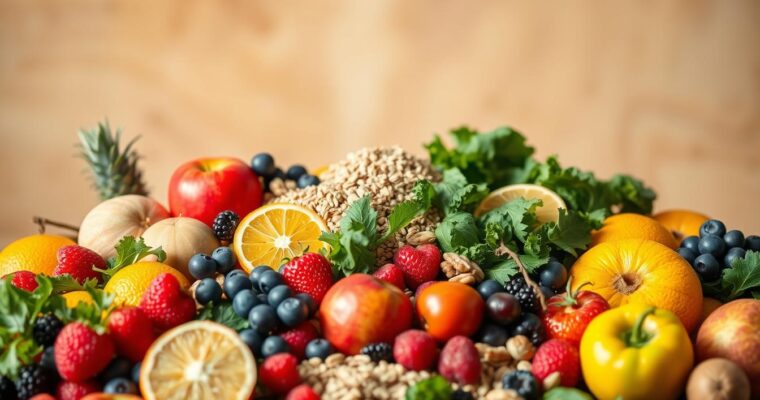
Research consistently shows that a whole food, plant-based diet is one of the most powerful tools we have for both preventing and reversing heart disease. We are not talking about restriction or deprivation. We are talking about choosing foods in their most natural, nutrient-dense form.
Here is what a plant-forward diet does for your heart:
- Lowers LDL (“bad”) cholesterol — Plant foods contain zero dietary cholesterol, and their fiber actively helps remove excess cholesterol from the bloodstream.
- Reduces saturated fat intake — Animal products like meat, cheese, and eggs are the primary sources of saturated fat in the American diet. Saturated fat contributes to plaque buildup in the arteries, making the heart work harder.
- Increases fiber — Fiber feeds the beneficial bacteria in your gut, helps regulate blood sugar, and supports healthy cholesterol levels. Most Americans get far less than the recommended daily amount.
- Lowers blood pressure — Potassium-rich plants (think leafy greens, bananas, sweet potatoes, and legumes) help counteract the effects of excess sodium on blood pressure.
- Reduces systemic inflammation — Chronic inflammation is a driving force behind heart disease. Colorful, antioxidant-rich plant foods work to calm that inflammatory response over time.
And here is what is remarkable: studies have documented improvements in moderate to severe heart disease cases through dietary and lifestyle changes alone — no surgeries, no steroids. Just food and movement and intention.
What About Inflammation Specifically?
Inflammation is at the root of almost every chronic disease, and heart disease is no exception. When we consistently eat foods that trigger inflammation — processed foods, excess animal products, refined sugars, high-sodium meals — we are essentially asking our bodies to fight a fire every single day.
A whole food, plant-based approach works directly against this:
- Omega-3 fatty acids found in walnuts, flaxseed, and chia seeds have documented anti-inflammatory effects.
- Polyphenols in berries, leafy greens, and legumes interrupt inflammatory pathways at the cellular level.
- Fiber feeds a healthy gut microbiome, which plays a central role in regulating immune and inflammatory responses throughout the body.
- Reducing processed food and excess saturated fat removes the most consistent dietary triggers of chronic inflammation.
The result? Arteries that stay more flexible and clear. A heart that does not have to pump as hard. Blood that flows the way it is supposed to.
We want our arteries nice and flowy — not built up with plaque. We want our blood to move freely and our hearts to work with ease, not against resistance.
Breaking the Generational Pattern
I hear it all the time: “Heart disease runs in my family.” And I want to offer a gentle reframe: yes, genetics play a role — but so do shared eating habits, shared stress patterns, and shared lifestyle norms that are passed down just like any other family tradition.
You can be the person who changes that pattern. You do not have to be the only one at the family gathering eating differently — but you can be the one who starts the conversation, sets a new example, and shows others what is possible when you choose your health.
Your children are watching. Your siblings are watching. And when they see you feel better, move better, and live longer, some of them will ask what you are doing.
That is how generational change actually happens — one table at a time.
What Plant-Based Actually Means (Hint: It Is Not About Being Vegan)
I want to clear something up because this comes up constantly: eating plant-based does not mean you have to be vegan or give up every food you love overnight.
It means prioritizing whole, minimally processed foods. It means filling most of your plate with vegetables, legumes, whole grains, fruits, nuts, and seeds. It means being mindful of how much saturated fat, sodium, and processed food you consume.
It is a lifestyle — not a diet. It is not about perfection. It is about progress, consistency, and making choices that trend in the right direction more often than not.
You can still gather with your family. You can still enjoy food. You can still cook things that taste incredible — because food in its natural form, seasoned with intention and love, is genuinely delicious.
Nothing about this has to be joyless. You are not giving things up. You are gaining years.
Practical First Steps
If you are new to plant-based eating, start simple:
- Add before you subtract — Add a serving of vegetables or legumes to meals you already love before worrying about removing anything.
- Swap saturated fats for plant fats — Try olive oil, avocado, or nuts in place of butter and cheese in one or two meals per week.
- Go meatless for one meal a day — Just one. See how your body responds.
- Eat the rainbow — The more colors on your plate, the broader the range of anti-inflammatory antioxidants you are getting.
- Cook at home more often — When you cook, you control what goes in your food. Restaurant meals, even “healthy” ones, are often higher in sodium and saturated fat than you realize.
And if you need more guidance, accountability, or support — that is exactly what I am here for.
Listen to the Full Conversation
I go deeper into all of this — including the personal story behind why this work matters so much to me — in my podcast episode. Give it a listen whenever you are ready.
Adopting a more plant-based lifestyle doesn’t have to be complicated or all-or-nothing. Small, consistent changes can have a powerful impact on your energy, overall wellness, and long-term health. Whether you’re looking to eat more plants, support your fitness goals, or simply feel your best, every healthy choice adds up.
If you’re ready for simple recipes, practical guidance, and tools to make plant-based living easier, I invite you to explore my Plant-Based Bundle. It’s designed to help you take the guesswork out of eating more plants while creating sustainable habits that fit your lifestyle.
🌱 Ready to get started? Check out the Plant-Based Bundle and take the next step on your wellness journey:
Your health journey doesn’t have to be perfect—it just has to begin.